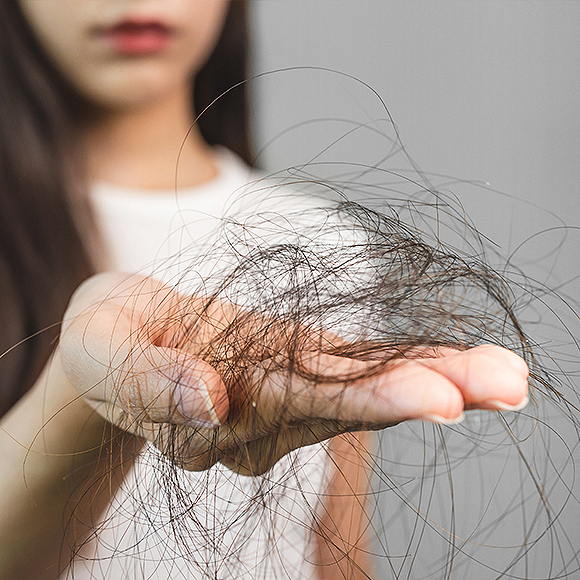
Alopecia Solutions Care & Growth Tips.
“Transforming Hair Loss & Alopecia with Expert Care“
Overcoming
Alopecia & Hair Loss

Hair Loss usually begins in People of all skin tones and genders get ALOPECIA .
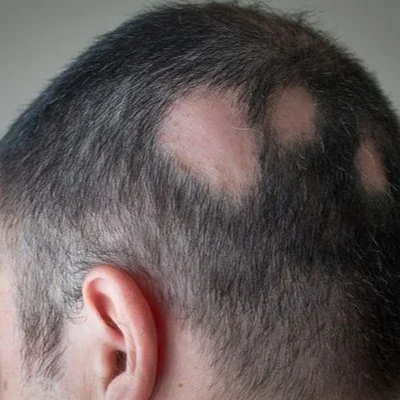
Alopecia Areata
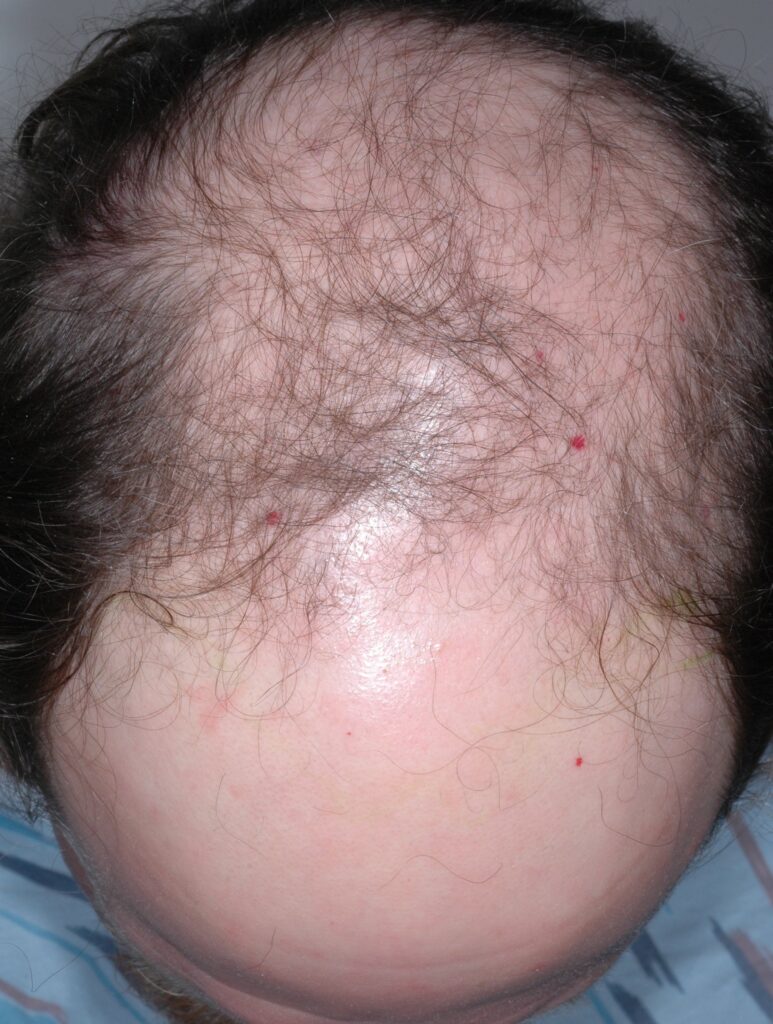
Androgenetic Alopecia
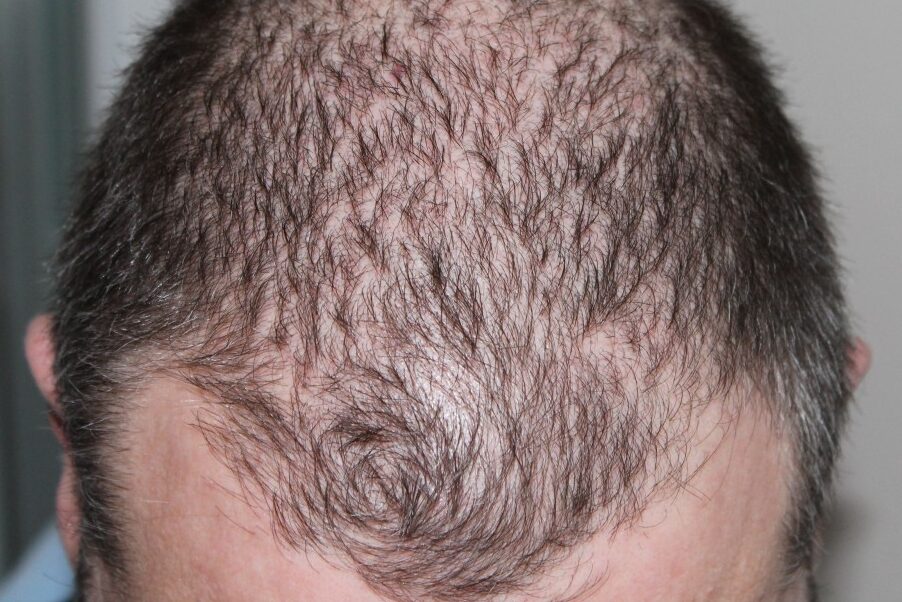
Telogen effluvium
Alopecia
What is Alopecia ?
Alopecia can causes total hair loss or partial hair loss. It affects on the head hair scalp or other body areas like face or neck. Firstly , the human immune system attacks on head hair follicles .This immune system attack makes hair fall out. Sometimes, it grows back yourself . or Other times, it doesn’t. in this disease brain or body Stress, human genetics, or illness can trigger it. but by privilege alopacia Treatments exist, dermatologist can treat it with like medications or therapy. However, results may vary person to person .
Types of Alopecia
Alopecia has several types.
First ,type Alopecia areata that’s causes patchy hair loss on head . It happens when the humans immune system attacks head hair follicles.
Next one is Androgenetic Alopecia, this visible as male/female pattern head hair baldness, leads starts to thinning head hair. and It often starts at the crown or head hairline.
Then, Alopecia totalis its results as its name shows in complete head scalp hair loss or total baldness.
Also, Alopecia universalis causes full body comlpete hair loss including scalp , eyebrows and eyelashes
Additionally, Traction Alopecia occurs from tight hairstyles pulling hair.
Finally, Cicatricial Alopecia scars the scalp, permanently destroying follicles.
Each type varies in cause and impact.
Search 🔎 by people of Amarica and all over world about Alopecia reveal widespread interest in evidently understanding the various types of Alopacia hair loss,
Searches also focus on treatment optionsof alopacia treatment or alopecia hair loss treatment,alopecia symptoms male, alopecia symptoms females,
coping with psychological effects, and addressing specific demographic and lifestyle factor…..
Alopecia symptoms :-
Alopecia causes noticeable symptoms on hair loss. First, you may see thinning hair. Then, bald patches appear on the scalp. Sometimes, hair falls out in clumps.
Additionally, eyebrows or eyelashes may thin. In some cases, nails become brittle.
may be some times , itching or tingling occurs on the head hair scalp. Symptoms may vary by person to person . Consult to a dermatologist for diagnosis and treatment .
treatment .
Alopecia symptoms in male :-
Alopecia in males shows clear symptoms. First, hair thins at the crown area of head . Next, the hairline starts recedes, often forming an “M” shape. Then, patches of hair loss appear on the head hair scalp. Sometimes, complete baldness occurs in affected areas. Additionally, sometimes the scalp area may feel itchy or sensitive. Finally, hair growth slows or stops in those spots.
Alopecia symptoms in females :-
Alopecia in females shows some clear symptoms. First, head hair thins gradually, often attack on the crown.
Next, bald patches appear, varying in size. Also, hair breaks easily or falls out in clumps.
Sometimes, the scalp itches or feels tender. Additionally, eyebrows or eyelashes may thin.
In severe cases, complete hair loss occurs on the scalp or body. Finally, nail colour changes, like pitting or ridges, may develop.
Alopecia hair loss :-
Alopecia causes hair loss. It affects many people, men and women. First, hair starts thins gradually. Then, some patches head hair may appear. Sometimes, all hair vanishes. This condition happens because the immune system of human attacks hair follicles. Consequently, this results hair stops growing. However, treatments exist. For example, doctors prescribe minoxidil. Alternatively, corticosteroid injections help. Meanwhile, try some natural remedies. Yet, results vary widely. Therefore, consulting a doctor is a wise choice. Next, they assess the cause with symptoms. Afterward, they suggest treatment options. Moreover, lifestyle changes and with treatment support . For instance, reducing stress by the help of yoga and meditation. Also, eating healthy diet strengthens hair. Ultimately, taking early action improves outcomes .
Patchy Alopecia :-
Patchy alopecia causes hair loss in small and round spots on head scalp. It often starts suddenly.
This conditions called alopecia areata , this affects on the head scalp or other body areas , like moustache and eye leashes
First, the human immune system attacks on head hair follicles. This leads to hair falling out in patches.
Next, these patches may grow larger or stay the same. Sometimes, hair regrows on its own ,or sometimes rest the same condition.
However, treatments like corticosteroid shots or topical creams can helps to regrowth.
mental or physical Stress, genetics, or autoimmune issues may trigger it. Always consult to a doctor for proper diagnosis and care.
Alopecia hair loss treatments :-
Alopecia hair loss treatments vary based on the type, symptoms and cause. First, doctors often recommend minoxidil a topical solution.
Apply it daily to stimulate hair growth. Next, corticosteroids reduce inflammation. Use them as creams or injections for patchy alopecia treatment. Also, finasteride thats a pill, helps men with pattern baldness.
Take it daily or directed by doctor for best results. Meanwhile, treated with platelet-rich plasma (PRP) therapy shows promising’s results. where doctor uses patient own blood to promote hair regrowth in alopacia Doctors inject your plasma to boost hair follicles. Additionally, hair transplants offer a permanent problem fix.
Surgeons move healthy follicles to bald areas of scalp . For autoimmune cases, immunotherapy triggers regrowth.
Apply it under medical supervision. Finally, lifestyle changes can help faster . Eat a balanced and healthy diet and manage stress. Always consult a doctor first.
Alopecia hair growth:-
Alopecia causes hair loss. It affects many people. First, understand its types. Alopecia areata creates patchy bald spots. Androgenetic alopecia, leads to gradual thinning. on a Meanwhile,
stress or hormones often trigger it. Fortunately, treatments exist. Additionally advice , lifestyle changes can help. For example, eating a balanced and healthy diet supports healthy hair. Next step , manage stress through exercise , yoga and meditation . Furthermore, doctors may suggest platelet-rich plasma therapy. This therapy boosts hair follicles to act. On the other hand, results vary. So, consult a dermatologist first. They guide the best approach for symptoms and cause. Ultimately, early action improves outcomes.
What is Alopecia areata :-
Alopecia areata is an autoimmune disorder. It causes hair loss in patches. Firstly , the immune system attacks hair follicles. Next, hair falls out suddenly.
Then, bald spots appear on the scalp. Sometimes, hair loss spreads to other areas. For example,
eyebrows or eyelashes may thin. However, hair often regrows naturally. on Meanwhile, the condition can recur. Additionally seems
it’s affects people of all ages and all skin tones.
Yet, it is more common in young adults. Furthermore, stress may trigger it. And
genetics also play a role. behind this reason some families see it more. On the other hand, it is not contagious. Thus, it does not spread by contact. Instead, it stems from internal factors. Nevertheless, treatments like steroids help. Finally, consulting a doctor is wise.
Alopecia areata beard :-
this Disease is also called other Name alopecia barbae this is a type of alopecia areata where the humen immune system attacks specially on hair follicles on face in the area of beard and mustache , causing patchy hair loss in the beard and mustache areas.
Alopecia areata causes :-
It’s can leads causes hair loss in patches. Firstly, the human immune system mistakenly attacks on hair follicles.
This autoimmune response disrupts the hair growth and Starts hair fall. Additionally, may genetics play a Major role in this Disease. If any family member have alopecia history , you’re more likely to develop it.
Moreover, stress play a role to often triggers or worsens the condition . For example, emotional or physical stress can spark flare-ups. Furthermore, environmental factors,
like infections, may contribute. Also, certain medical conditions, such as thyroid disease, increase the risk. Lastly, hormonal changes sometimes influence its onset its called Autoimmune hair fall or hair loss .
Alopecia areata Treatment :-
Alopecia areata causes patchy hair loss, but treatments can help fast Recovery. in starting , doctors often prescribe corticosteroid creams.
These reduce inflammation and encourage hair growth. after this, they might suggest minoxidil. This topical solution stimulates hair follicles. Additionally, corticosteroid injections work well for small patches.
They quickly calm the immune system. Meanwhile, oral medications like methotrexate can treat severe cases. However, these carry side effects.
Alternatively, phototherapy uses UV light to promote regrowth. Also,
natural remedies like essential oils , onion Juice ,Aloe Vera or coconut oil may support scalp health. can soothes irritation and give Relief from itching. Furthermore, changes in Lifestyle with reduce stress, which triggers flare-ups. Specifically, yoga and meditation can help to Rejuvenate yourself.
Finally, consult a dermatologist for a tailored plan. Always monitor progress closely.
androgenetic Alopecia :-
androgenetic alopecia is a Common type of hair loss that is a Combination of Genetics and hormones causes.
Specifically a main Androgen, particularly dihytrotestosterone, its can play a significant role by increasing the extra activity of the androgen receptor in Human hair follicles, which triggers hair loss,
androgenetic alopecia male or female pattern baldness. In men, it often starts with a receding hairline or thinning at the crown. For women, it’s usually a wider part or overall thinning all over the scalp,
Over time, those follicles of hair starts Shrinking, and hair grows thinner or stops growing.
lifestyle Factors like smoking, poor diet, sleep less and high stress can be risk factors, especially for early life if we Ignoring health,
androgenetic Alopecia Treatment:-
you can treat it , there are more options.
like Minoxidil a topical solution,
This is a treatment that is applied to the scalp to increase blood flow to hair follicles and prolong the hair growth (anagen) It’s helps some people regrow hair.
Finasteride ,It’s a pill oral medication that blocks dihytrotestosterone , a hormone linked to pattern hair loss, and prevents further hair loss works good for men and women by blocking those pesky androgens.
ketconazole It’s An antifungal treatment that can also be beneficial for androgenetic alopecia by treating scalp conditions like dandruff,
Topical spironolactone Blocks androgen receptors and is an option for females experiencing hair loss,
things like laser therapy or hair transplants is other treatment Choices. But, results vary,
and you gotta stick with treatments .If you’re worried about it, chat with a doctor. They can suggest what’s best for you.
traction Alopecia :-
Traction alopecia is a type of hair loss caused by the chronic pulling of hair roots from tight hair styles like braids or ponytails. Basically, the constant pulling stresses the hair follicles
which can lead to hair breakage, thinning, and even permanent hair loss in some cases ,
in this hair loss Disease Symptoms include like tenderness, itching on scalp , redness especially around the hairline or scalp in crown area of scalp ,
follicular inflammation, and hair loss typically occurs along the hairline. The condition is reversible if detected early and treated by loosening hairstyles, but long-term damage can cause irreversible scarring.
Traction Alopecia treatment :-
It’s hair fall Disease found mainly in Women ,
if you’ve got traction alopecia, you need to act fast because it’s hair loss from pulling your hair too tight all the time.
If you caught this early, hair regrowth is often possible,
go to a dermatologist right away. They check your scalp and might do a quick biopsy to rule out other issues. The big key is to stop those tight hairstyles, like ponytails or braids, especially at night. So, switch to looser styles and give your hair a break to Relax scalp,
if it’s early on, hair usually regrows in a few months. But wait too long, and it can scar and turn permanent.
In those cases, try PRP therapy or laser treatments for better results.
in Worst case, hair transplants can move healthy hair to the bald spots. So, yeah,
prevention beats everything—avoid heat tools and chemicals too. Just keep it simple and gentle with your hair.
universal Alopecia :-
It’s a condition where someone looses complete hair loss of all hair on the scalp and all over body, including the eyebrows, eyelashes, and pubic hair.
It is the most sever condition of the autoimmune alopecia areata,
Now, it can happen to anyone, but it’s rare,
this Disease involves total body hair loss. Symptoms can include fingernail and toenail abnormalities, and psychological impacts like anxiety and depression are common
universal Alopecia treatment :-
So, if you notice total hair loss, consult to a doctor Immediately. They’ll guide you on what to do next. It’s tough,
Stress, genetics, or other health issues might trigger it. Doctors often diagnose it by checking your scalp or running tests,
but if Meditation with medication can suppress the immune system to stimulate hair Follicles promote hair growth ,
medication Including Corticosteroids ,ruxolitinib and minoxidil ,topical Immunotherapy ,JAK inhibitors ,
There is no cure , Promised and results are variable,
but camouflage options like wigs, managing stress, and addressing nutritional deficiencies can also help manage the condition.
telogen effluvium :-
this is a Condition of hair fall where your hair falls out more than usual.
It happens when a lot of hair follicles enter the “resting” phase, reason growth of hair Being Stopped ,
and leading to increased shedding after a triggering,
high Fever, Surgery or Emotional or Physical stress can Triggers it .
Sometimes Environmental Reason Behinds of telogen effluvium.
Don’t feel Scary it’s not permanent scarring like some other hair loss types of alopecia.
after All It’s a Temporary telogen hair fall Problem , Probably hair growth usually resumes naturally .
telogen effluvium Treatment :-
focus on your diet first That’s healthy and rich in iron , zinc , Vitamin d , Protein and Vitamins .
after All It’s a Temporary hair fall Problem , so Probably hair growth usually resumes naturally,
Avoid harsh styling, such as frequent coloring, straightening, or curling.
and after Follow These steps if Conditions not Improved consult a doctor and Follow Their Instructions .
cicatricial scarring Alopecia :-
in this class of hair loss Condition Permanente hair loss caused by the irreversible destruction of hair follicles .
where inflammation damages hair follicles. Basically, the follicles get replaced with scar tissue. So, hair stops growing in those spots,
It can happen because of autoimmune issues, infections, or injuries. You might notice patchy bald areas,
and redness, or scaling on the scalp,
cicatricial scarring alopecia treatment :-
early treatment can stop it from getting worse. First off, see a dermatologist right away. They diagnose it with a scalp exam and maybe a biopsy. That tells them the exact type, like lichen planopilaris or central centrifugal cicatricial alopecia.
Treatment focuses on calming the inflammation to save the hair you still have. Doctors often start with anti-inflammatory Medicine ,
like creams or foams you rub on your scalp. Or they inject steroids right into the spots. These help reduce redness, itching, and burning fast.
If it’s find more serious, you might take oral meds, such as hydroxychloroquine or doxycycline. Antibiotics work well for types with infection, like folliculitis decalvans.
Sometimes, they used low-level laser therapy to boost blood flow, or even platelet-rich plasma injections. And for cosmetic help, wigs or hairpieces cover bald areas nicely.
But remember, there’s no cure, so act quick. Follow your doc’s plan, and you can manage it okay.
Trichotillomania :-
trichotillomania is when someone can’t stop pulling out their own hair.
It’s usually from stress, anxiety, or sometimes just a habit. People might pull hair from their scalp, eyebrows, or even eyelashes. It’s a real condition, not just a quirk
when someone might feel a strong urge to pull and then feel relief after, but then they’re upset about the hair loss.
trichotillomania treatment :-
First, it’s key to understand this condition involves pulling out your own hair, often due to stress or anxiety.
so One common approach is therapy. Specifically, Cognitive Behavioral Therapy (CBT) works well. It helps you spot triggers and swap hair-pulling for healthier habits.
you might learn to squeeze a stress ball instead. Also, a type of CBT called Habit Reversal Training is super effective. It teaches you to notice when you’re about to pull and do something else instead.
medication can help in some cases. Doctors sometimes prescribe antidepressants,
to ease anxiety or depression tied to trichotillomania. But, meds work best when paired with therapy.
lifestyle changes help too. Regular exercise, mindfulness, or journaling can lower stress. Also, keeping your hands busy with fidget toys can stop the urge to pull.
foods which Prevent hair loss……
eating the right foods can help. First, go for protein-rich foods like eggs, chicken, and fish. They strengthen hair follicles,
nuts like almonds and walnuts are great. They’ve got biotin and healthy fats.
spinach and kale to your plate. These leafy greens are packed with iron and vitamins.
berries like blueberries and strawberries are awesome. They’re full of antioxidants that protect your scalp.
don’t skip salmon or chia seeds. They’re loaded with omega-3s, which keep your hair shiny and strong.
So, mix these into your meals, and make your hair Strong
prevent hair loss Following these steps ……….
dealing with hair loss can be tough,
eat a healthy diet. Include protein, iron, and vitamins like biotin and zinc.
add with eggs, nuts, and leafy greens work great.
avoid harsh hair treatments. like tight ponytails, hot showers, or too much heat styling can damage your hair.
manage stress also , Try yoga or meditation since stress can make hair fall out faster.
use gentle hair products. Look for shampoos with natural ingredients and skip sulfates.
don’t smoke and limit alcohol. Both can mess with hair growth. Stick with these steps, and you’ll give your hair a fighting chance
will hair loss from stress grow back ?
Yeah, hair loss from stress can totally grow back.
When you’re super stressed, your body might push some hair follicles into a resting phase, so they fall out. But, once you chill out and stress levels Dropped .
those follicles usually wake up again. So, the hair often grows back on its own.
Just give it a few months, and you should see new growth. Also, eating well and sleeping enough can help speed things up,
which hair loss treatment is best for men ?
hair loss hits a lot of guys, but you got options.
Doctors say the best treatment for most men is combining two FDA-approved meds: finasteride and minoxidil. First off, finasteride blocks DHT with the docs Consult, that hormone shrinking your follicles
Then, add minoxidil. It’s that foam or liquid you rub on your scalp twice daily. It boosts blood flow to follicles and grows new hair for over half the users. No script needed, and it’s cheap at stores. Use it consistently, though, or the gains fade.
Together, they work way better than alone. Start early for the best shot. And yeah, chat with a doc first to rule out other issues. If pills aren’t your thing, laser caps or transplants are next, but they’re pricier. Stick with this combo, and you’ll see results in a few months.
which hair loss treatment is best for women’s ?
lots of women go through it, and there are solid options out there. First off, see a dermatologist to figure out why it’s happening. It could be hormones, stress, or genetics. They can guide you right.
The best treatment overall? Minoxidil tops the list. It works by boosting blood flow to your follicles and kickstarting growth. You apply it as a foam or liquid on your scalp twice a day.
it shows results in about three to six months. It’s FDA-approved and safe for most folks
try supplements pack vitamins, biotin, and herbs to support hair from inside. Women notice less shedding after a few months. Or grab a shampoo with ketoconazole—it fights inflammation and DHT, the hormone behind loss
new things like PRP injections are popping up. They use your own blood to stimulate follicles. It’s not cheap, but it helps if other options fall short.
CAN Cicatricial Scarring Alopecia be revised ?
Sem quis erat nibh id neque tincidunt molestie convallis ut nibh vel, lorem consequat ullamcorper.